
Ensuring consistent quality in citrus fruit juice is essential for building a successful private label beverage brand in today’s competitive market. For entrepreneurs, retailers, and brand owners launching their own juice products without managing production themselves, consistency defines trust, shelf performance, and long-term customer loyalty. This guide explores how controlled production processes and strict quality standards, as applied by Meroso, help translate a private label concept into a reliable citrus juice product with taste, quality, and experience in every batch.
The importance of quality control in juice production
Quality control is essential in juice production to ensure safe, consistent, and reliable citrus juice products. Through strict testing and monitoring, issues such as spoilage, contamination, and variations in taste or appearance are prevented. For private label brands working with Meroso, this ensures that every batch of lime and lemon juice delivers the same taste, quality, and experience.
Even within lime and lemon juice production, natural variation in fruit maturity, acidity, and composition can affect the final product. Careful control of raw materials and production parameters is therefore essential to maintain a stable and predictable juice profile.
Consistency is what defines quality. Standardizing key factors such as acidity, Brix levels, and pulp content ensures uniform results across all batches, allowing brands to rely on a product that performs consistently in the market.
Raw material selection and sourcing
Selecting high-quality citrus fruits is the foundation of premium juice production. Factors such as fruit maturity, variety, and absence of defects directly influence the final product quality. For private label lime and lemon juice production at Meroso, sourcing is based on strict specifications to ensure consistent sweetness, acidity, and sensory profile across all batches.
A major challenge in sourcing is seasonal variability, which can significantly affect fruit composition. Changes in weather and growing conditions influence sugar levels, acidity, and overall flavor intensity. To maintain a stable end product throughout the year, these natural variations must be carefully managed through controlled sourcing strategies and process adjustments, ensuring consistent juice characteristics regardless of harvest differences.
Equally important is traceability throughout the supply chain. By tracking the origin of every batch of citrus fruit, potential issues such as contamination or quality deviations can be quickly identified and addressed. Strong traceability systems improve accountability, enhance food safety, and support the consistent delivery of high-quality lime and lemon juice that private label brands can rely on.
That said, at Meroso Foods, production is based on carefully selected citrus-based ingredients such as juices, concentrates, and blends from approved suppliers. Quality control therefore starts at ingredient level rather than fresh fruit sourcing.
Each ingredient is checked against strict specifications, including Brix, acidity, and flavor consistency. This ensures stable input quality and minimizes variability before processing, allowing consistent blending and a reliable final product for private label brands.
Discover our quality certificates and see how we guarantee consistent quality at every step.
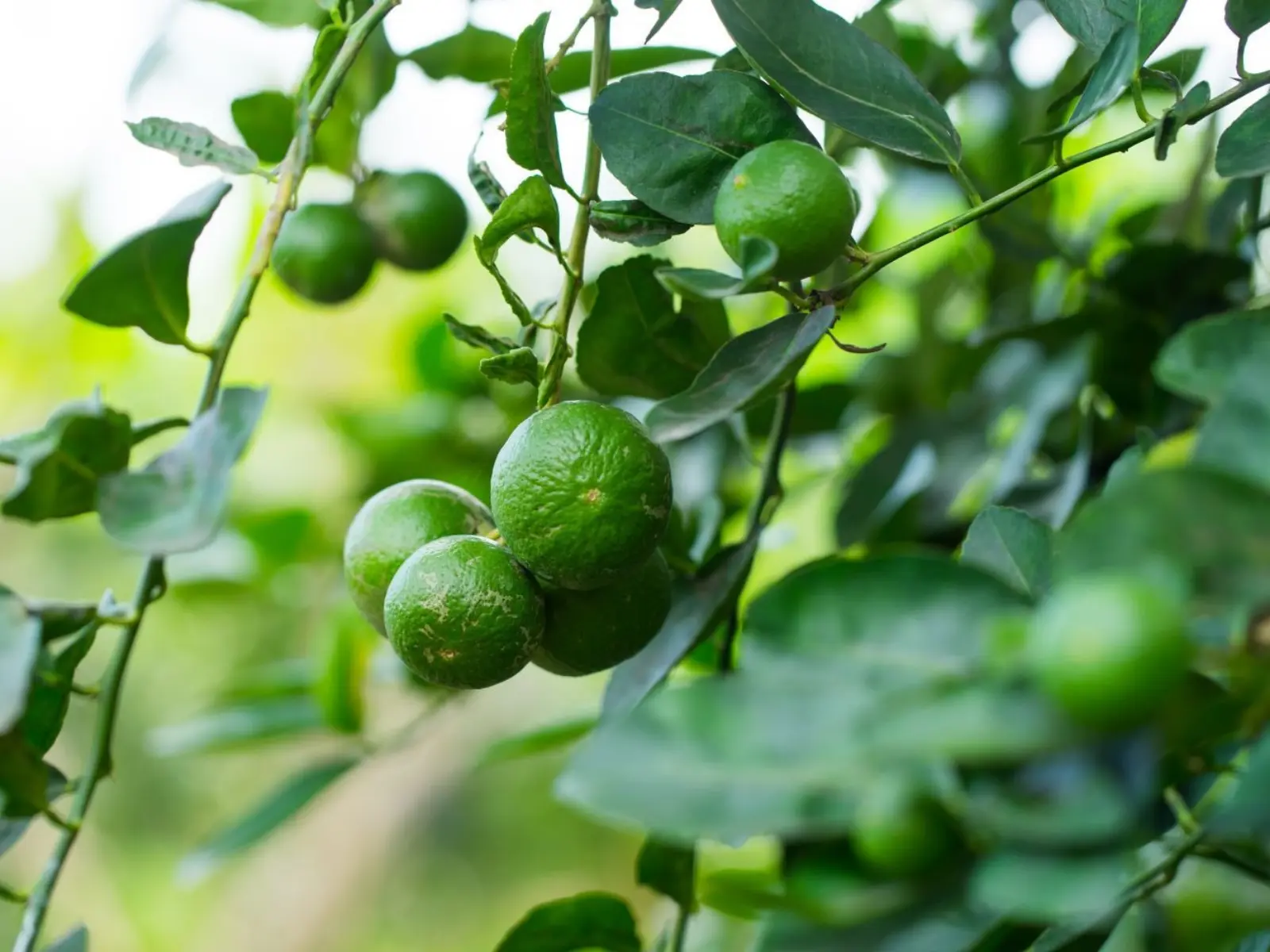
High-quality citrus fruits is the foundation of premium juice production
Juice Extraction Techniques
Standardizing the juice extraction process is essential for achieving consistent citrus juice quality. By using controlled and well-documented extraction methods, citrus fruits are processed uniformly, resulting in stable soluble solids levels and predictable sensory characteristics. For Meroso’s lime and lemon juice production, this standardization ensures every batch delivers the same taste, quality, and experience for private label brands.
Several key factors directly influence juice quality during extraction, including:
- Fruit maturity, which affects sweetness and acidity balance
- The specific type of citrus being processed
- The efficiency and precision of the extraction method
If these factors are not properly controlled, issues can occur. Over-extraction may introduce bitter or undesirable compounds, while under-extraction can lead to lower acidity balance and weaker flavor intensity. Careful process management helps avoid these inconsistencies and ensures a stable, high-quality end product.
Innovative extraction technologies are further improving consistency and efficiency in citrus juice production. Techniques such as enzyme-assisted extraction and pulsed electric field processing enhance juice yield while preserving valuable flavor compounds and sensory attributes. These advancements support Meroso in delivering consistent lime and lemon juice quality across every production batch, meeting the expectations of private label brands.
Quality assurance and testing methods
Monitoring Brix Levels and Acidity
Monitoring Brix levels and acidity is essential in maintaining the desired taste and stability in commercial orange juice and other citrus fruit juices. Brix levels indicate the sugar content, while acidity affects the tartness and overall balance of the juice. Regular analyses and assessments of these key quality indicators enable juice producers to make necessary adjustments to ensure consistent fruit quality and consumer satisfaction, preventing issues in juice products.

Monitoring Brix levels is essential for citrus fruit juices
Testing for Flavor Consistency
Testing for flavor consistency ensures that the sensory profile of citrus juice remains uniform across different batches. This involves employing sensory panels and advanced analytical techniques to detect subtle variations in aroma, taste, and mouthfeel. By identifying any deviations from the established flavor standards, juice producers can take corrective actions to maintain consistent fruit quality and meet customer expectations for apple juice or grapefruit juice.
Implementing Quality Control Systems
Implementing robust quality control systems is vital for ensuring the safety and consistency of juice production. These systems involve regular inspections, standardized testing protocols, and detailed record-keeping to monitor key quality parameters throughout the process. By integrating HACCP principles and employing statistical analyses, juice producers can proactively identify and mitigate potential issues, ensuring that every batch of citrus fruit juices meets the highest quality standards for food safety.
Storage, preservation, packaging and distribution
Preserving citrus juice quality after production relies heavily on strict temperature control, which slows microbial growth and helps maintain freshness, flavor, and nutritional value over time. Continuous monitoring ensures that lime and lemon juice remains stable throughout storage.
Common preservation methods include:
- Pasteurization to eliminate harmful microorganisms
- Aseptic packaging to prevent contamination
- High-pressure processing (HPP) to better retain taste and sensory qualities
Even with these methods, challenges such as temperature fluctuations and oxidation can still impact juice quality. Proper packaging that protects against oxygen, light, and moisture is therefore essential to maintain product stability.
During distribution, a controlled cold chain is key. Temperature-controlled transport and careful handling ensure that juice retains its intended taste, quality, and experience in every batch from Meroso to the final customer.
Conclusion: Ensuring quality through consistency
Consistency in citrus juice production leads to higher product quality, improved efficiency, and stronger consumer satisfaction. By standardizing processes and applying strict quality control, variability is minimized and every batch meets the same high standards. This not only strengthens brand reputation and customer trust, but also ensures a reliable taste, quality, and experience in every batch.
As quality control continues to evolve, future improvements will focus on real-time monitoring, better traceability, and more sustainable production practices, helping producers achieve even greater levels of consistency and reliability.
These efforts are further reinforced by our internationally recognized certifications, which underline our commitment to food safety, quality assurance, and continuous improvement across the entire production process.
At Meroso Foods, you are always sure.